A local Dumpster Empty-and-Return request becomes easier to evaluate when the provider knows where the site is, what is happening there, and what must happen next. This version highlights commercial projects.
For commercial projects, this issue is easiest to discuss when you can explain what the site allows, what the project requires, and which part is flexible. This gives the provider enough context to explain tradeoffs without the visitor having to guess at equipment.
Start With the Rental Need
A useful dumpster conversation covers debris type, approximate load, potential weight concerns, container placement, vehicle access, rental period, and the point when removal should happen.
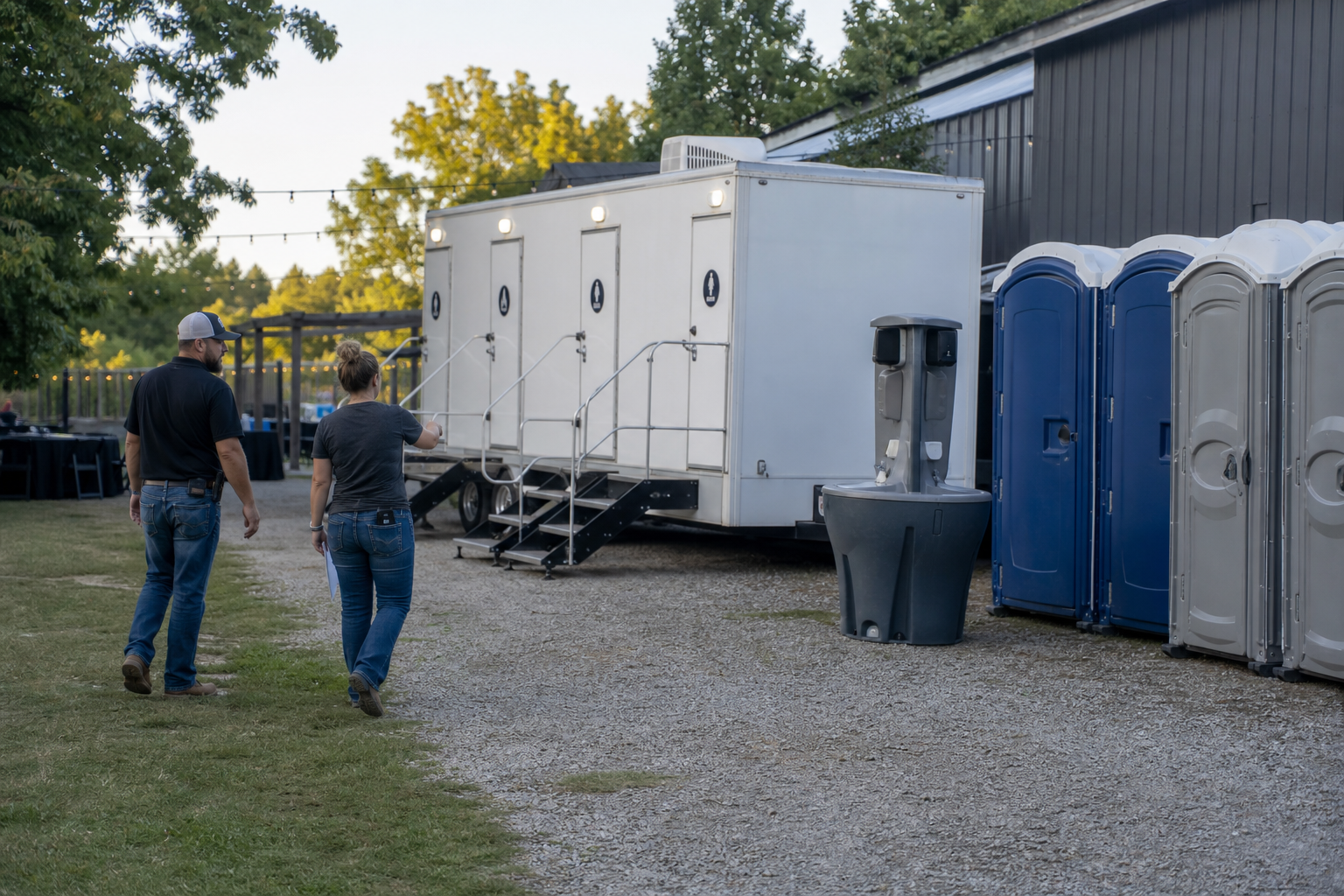
For events and job sites, sanitation planning works better when you explain expected use, duration, unit mix, handwashing needs, servicing frequency, placement area, and delivery access.
The service groups in the service-category cards on this page help with broad choices, while the service options already shown on this page is more useful when you already know the exact rental or servicing need.
Choose the Right Service Path
Use local pages for orientation, then provide the exact address and any road or access clue that matters when you contact the provider. Location context may include Pine Parkway, Waterfall Glen Boulevard, Main Street, Alabama Avenue, Bentley Avenue, Brookhaven Avenue when that makes the site easier to describe.
Before booking, think through the vehicle route from the street to the placement area and mention any gate, turn, clearance, surface, parking, or timing concern.
Use the local-area information already shown on this page and the nearby-area section already shown on this page only when a neighborhood, community, or nearby place adds useful location context.
More helpful information
Prepare the Site Before Scheduling
For commercial projects, prepare the facts that affect the request:
- Gate, driveway, surface, parking, clearance, or staging constraints
- Questions about material, weight, usage, service frequency, or rental terms
- A nearby road, cross street, entrance, or access cue when useful
- Whether more than one rental or service type may be needed
- Any timing window that affects entry, setup, servicing, or removal
A final check should cover availability, timing, equipment, rental terms, servicing, accepted materials or uses, pickup expectations, and the details used to calculate price.